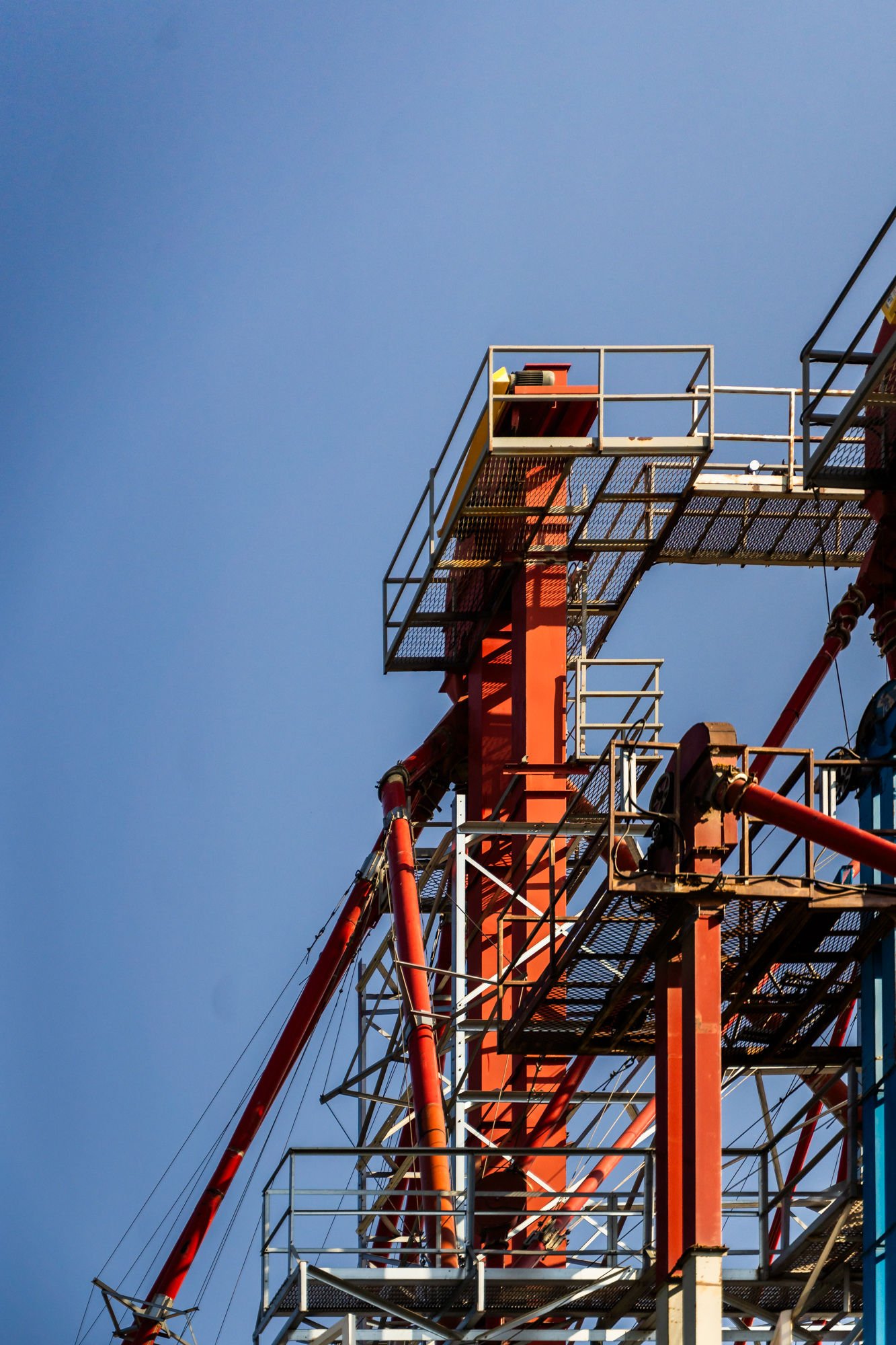
In bulk material handling, bucket elevators are built for reliability. But one of the most common and costly failures facilities face is belt burn-offs. These failures rarely happen without warning. More often, they result from small changes that go unnoticed.
Understanding how temperature changes, tension, and operating conditions interact is key to preventing downtime and extending equipment life.
Temperature has a greater impact on bucket elevator belts than many operators realize. A common misconception is that belts shrink in cold weather. Colder temperatures reduce rubber elasticity, causing belts to elongate slightly, while the elevator structure contracts minimally.
As temperatures rise moving into spring, the rubber regains elasticity, and the belt tightens. Without proper adjustment, added tension can create tracking problems and increase stress on the system.
Most Original Equipment Manufacturers (OEMs) recommend checking belt tracking and tension daily or before each startup. Regular inspections are especially important during temperature swings of 20 degrees or more.
Improper belt tension is a leading cause of burn-offs. Loose belts create tracking instability, allowing buckets to contact trunking and structural components, which can cause severe mechanical damage.
Over-tight belts place excessive strain on pulleys, bearings, and drives, increasing friction throughout the system. In cold weather, belts can also stiffen and adhere to pulleys when idle. This increases startup torque and can cause the head pulley to slip without moving the belt, generating heat that can burn through the belt or damage the splice.
Another factor is gearbox lubrication. Lubricants not rated for low temperatures become more viscous, increasing motor load and startup strain. Proper lubricant selection or gearbox heating can help reduce this risk.
Moisture and buildup inside trunking can freeze and push belts off track, particularly in high-humidity environments or when conveying wet material. Frozen buildup can also create discharge restrictions that lead to “back leg” conditions, where product flows back down the elevator and overloads the boot section, increasing the risk of belt failure.
Structural alignment is equally important. Bucket elevators must remain plumb and level to maintain proper tracking. Maintaining guy wire tension and structural integrity helps prevent uneven wear and belt damage.
Preventing belt burn-offs requires consistent inspection and early detection. Operators often identify the first warning signs through changes in sound, vibration, or startup performance. Encouraging early reporting allows maintenance teams to address issues before they escalate.
Hazard monitoring systems provide additional protection by tracking bearing temperatures, belt alignment, pulley speed, and rotation. Many systems can integrate directly into plant controls to provide real-time alerts.
Regular cleaning is also important, especially in high‑humidity environments. Clearing buildup from the boots, trunking, and discharge areas helps prevent freezing and blockages. Keeping pulley crowns, lagging, and bearings in good condition supports reliable operation, and choosing the right splice type for the application helps extend belt life.
Winter-to-spring transitions create changing tension conditions that require attention. Facilities that monitor belt performance and adjust tension as temperatures shift can significantly reduce burn-off risk.
At KPIC, maintenance teams work with facilities to identify seasonal risks and implement preventive strategies that support safe, reliable operations. In most cases, preventing belt burn-offs comes down to consistency, awareness, and addressing small changes before they become major failures.
 Read More